

The arts that make MMA :Wrestling
Wrestling is one of the oldest combat sports, with origins dating back around 15,000 to 17,000 years, as seen in cave drawings in France. Babylonian and Egyptian reliefs depict wrestlers using holds that are still recognized in today’s sport. References to wrestling can be found in ancient texts, like the Old Testament and the Indian Vedas. For example, in the Book of Genesis, Jacob is said to have wrestled with God or an angel. The Iliad, which recounts the Trojan War, also mentions wrestling. Indian epics like the Ramayana and Mahabharata include references to martial arts, including wrestling, while the Yellow Emperor battled rebel Chi You using Shuai Jiao in the Battle of Zhoulu, an early style of combat initially called jiao di (butting with horns).
In Ancient Greece, wrestling held a significant place in legend, literature, and philosophy. It was a central sport in the ancient Olympic Games, known for its brutal competitions. The Romans adopted Greek wrestling but modified the rules to reduce its brutality. Wrestling is frequently mentioned in ancient Greek and Roman literature, with many philosophers and leaders, such as Plato, Socrates, and Aristotle, practicing or discussing the sport. Dicaearchus noted that Plato wrestled at the Isthmian games, and many of Plato's dialogues are set in wrestling schools. Greek poet Pindar celebrated victories in wrestling and other sports with odes dedicated to the winners of the Olympian, Pythian, Isthmian, and Nemean Games.
During the Middle Ages, from the fifth to the fifteenth century, wrestling remained popular and received support from royal families in England, France, and Japan.
When early British settlers arrived in America, they brought a strong wrestling tradition with them, which was also embraced by Native Americans. Amateur wrestling became popular in the early North American colonies and was often featured at country fairs, holiday celebrations, and military exercises. The first organized national wrestling tournament in the U.S. took place in New York City in 1888.
Wrestling has been a part of every modern Olympic Games since 1904 in St. Louis, Missouri. While Greco-Roman wrestling was included in the first modern Olympics in 1896, it was not part of the 1900 games. The international governing body for the sport, United World Wrestling (UWW), was founded in 1912 in Antwerp, Belgium, originally as the International Federation of Associated Wrestling Styles (FILA). The first annual NCAA Wrestling Championships were held in 1928 in Ames, Iowa, and USA Wrestling, based in Colorado Springs, was established in 1983 as the national governing body for U.S. amateur wrestling.
Wrestling represents one of the oldest forms of combat sport. The origins of wrestling go back around 15,000 to 17,000 years ago through cave drawings in France.[4] Babylonian and Egyptian reliefs show wrestlers using various holds known in the present-day sport. Literary references to wrestling occur as early as the Old Testament and the ancient Indian Vedas[specify]. In the Book of Genesis, the Patriarch Jacob is said to have wrestled with God or an angel.[5] The Iliad, in which Homer recounts the Trojan War of the 13th or 12th century BC, also contains mentions of wrestling.[6] Indian epics Ramayana and Mahabharata contain references to martial arts including wrestling. The Yellow Emperor fought the rebel Chi You using Shuai Jiao at the Battle of Zhoulu. This early style of combat was first called jiao di (butting with horns).
In Ancient Greece wrestling occupied a prominent place in legend, literature, and philosophy. Wrestling competition, brutal in many aspects, served as the focal sport of the ancient Olympic Games. Ancient Romans borrowed heavily from Greek wrestling, but eliminated much of its brutality through implementing different rules. Wrestling is referenced throughout both Ancient Greek and Roman literature. Many philosophers and leaders practiced wrestling and/or referenced the sport frequently in their works, most notably Plato, Socrates, Aristotle, Xenophon, Epictetus, Seneca, Plutarch, and Marcus Aurelius. Dicaearchus wrote that Plato wrestled at the Isthmian games.[7] Many of Plato's dialogues are set in wrestling schools. Ancient Greek lyric poet Pindar wrote victory odes, grouped into four books named after the Olympian, Pythian, Isthmian, and Nemean Games – Panhellenic festivals held respectively at Olympia, Delphi, Corinth, and Nemea. These odes were composed to honor the men and youths who had enjoyed victories in wrestling, boxing, pankration and other athletic contests.
During the Middle Ages from the fifth to fifteenth century, wrestling remained popular and enjoyed the patronage of many royal families, including those of England, France, and Japan.
Early British settlers in America brought a strong wrestling tradition with them. The settlers also found wrestling to be popular among Native Americans.[8] Amateur wrestling flourished throughout the early years of the North American colonies and would later serve as a popular activity at country fairs, holiday celebrations, and in military exercises. The first organized national wrestling tournament in the United States took place in New York City in 1888.
Wrestling has also been an event at every modern Olympic Games since the 1904 games in St. Louis, Missouri; Greco-Roman wrestling was contested at the first modern Olympics in 1896, but not at the 1900 games. The international governing body for the sport, United World Wrestling (UWW), was established in 1912 in Antwerp, Belgium as the International Federation of Associated Wrestling Styles (FILA). The first annual NCAA Wrestling Championships were held in 1928 in Ames, Iowa. USA Wrestling, located in Colorado Springs, Colorado, was established as the national governing body of U.S. amateur wrestling in 1983.
Latest News

Alexis Kapinga first bout under Maravilla gym at Efc
Alexis kapinga from congo steps into the efc cage on the 4th of june ,this is his second professional bout he has a wrestling background…
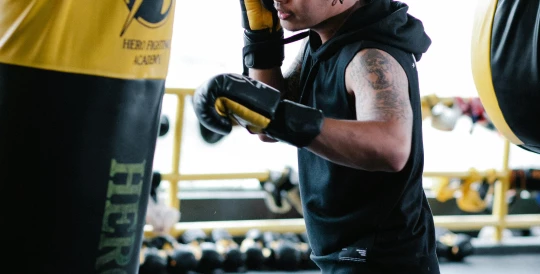
Tyson Fury has officially come out of retirement for the fifth time in his career
Tyson Fury, 37, has officially come out of retirement for the fifth time, returning to the ring in April 2026 to defeat Arslanbek Makhmudov…
UFC Seattle results
Joe Pyfer stunned Israel Adesanya with a TKO victory at UFC Seattle , leading to widespread reaction and a bonus for Pyfer. Other…
Jake Paul Reveals Loaded Full Fight Card for Rousey vs. Carano Netflix MMA Event
MVP MMA 1 Fight Card • Main Event: Ronda Rousey vs. Gina Carano • Co-Main Event: Francis Ngannou vs. Philipe Lins • Nate Diaz…
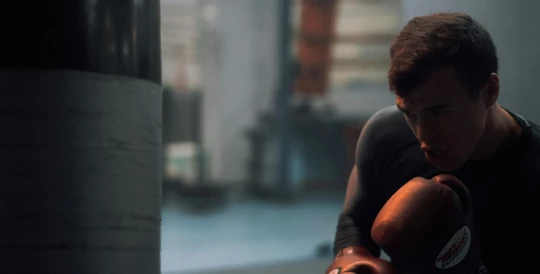
Boxing Styles Boxer-Puncher (Balanced)
The boxer-puncher is the complete package. This is the fighter who can do a little bit of everything — and do it well. He’s got the…

Best Pound-for-Pound MMA Fighter (2026)
As of early 2026, most major MMA pound-for-pound rankings put one fighter clearly at the top of the sport worldwide: ? Best Pound-for-Pound…
A swarmer — also known as a pressure fighter
A swarmer — also known as a pressure fighter — is the kind of boxer who makes you feel suffocated in the ring. From the opening bell,…
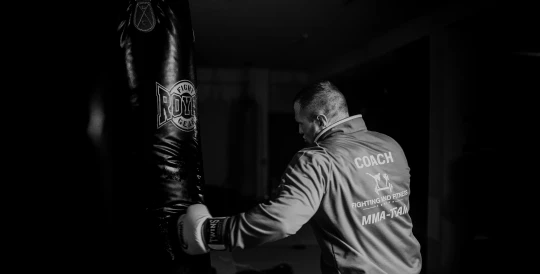
Slugger (Brawler) – The Power Puncher
A slugger is the kind of boxer that changes the whole mood of a fight the moment he steps into the ring. You can feel it. There’s tension.…
Boxing styles The Peek-A-Boo Style: Pressure, Precision, and Pure Intensity
This fighter lives at long range. Everything is about controlling distance, staying light on the feet, and never being where the opponent…
Boxing styles Boxer-Puncher
This style is all about balance. The boxer-puncher blends sharp boxing skills with real power, meaning they’re comfortable whether…